
12 Essential Items to Always Keep in Your Carry-On Bag
Running to the gate with a bag that is missing the essentials is avoidable. This list gives practical, pack-and-go items to keep in your carry-on so you can stay comfortable, productive, and ready for travel hiccups.
Passport, Boarding Pass, and Travel Documents in an Easy-Access Sleeve
Keep your passport, boarding pass, ID, and any visas or travel authorizations together in a slim, zippered sleeve so you do not fumble at security or boarding. Use a clear pocket or a labeled document organizer so agents can quickly verify paperwork without you unfolding a pile of items.
Store one photocopy of crucial documents in a separate pocket and scan copies to cloud storage for backup. That small redundancy saves time if your originals are lost or delayed.
Pro Tip: Put passport and boarding pass in an outer compartment that still zips shut to combine speed with security.
Phone, Charger, and High-Capacity Power Bank
Your phone is your map, boarding pass, and entertainment center, so pack a reliable power bank that can recharge a phone and a tablet. Choose a power bank that meets airline regulations and keep cables tangle-free with a small pouch or cable organizer.
Turn on low power or airplane mode during long waits to conserve juice, and charge whenever there is an outlet at the gate. A fully charged phone reduces stress if delays or rebookings happen mid-travel.
Quick Tip: Keep a short, sturdy charging cable with the power bank so you do not rely on airport USB ports for long charges.
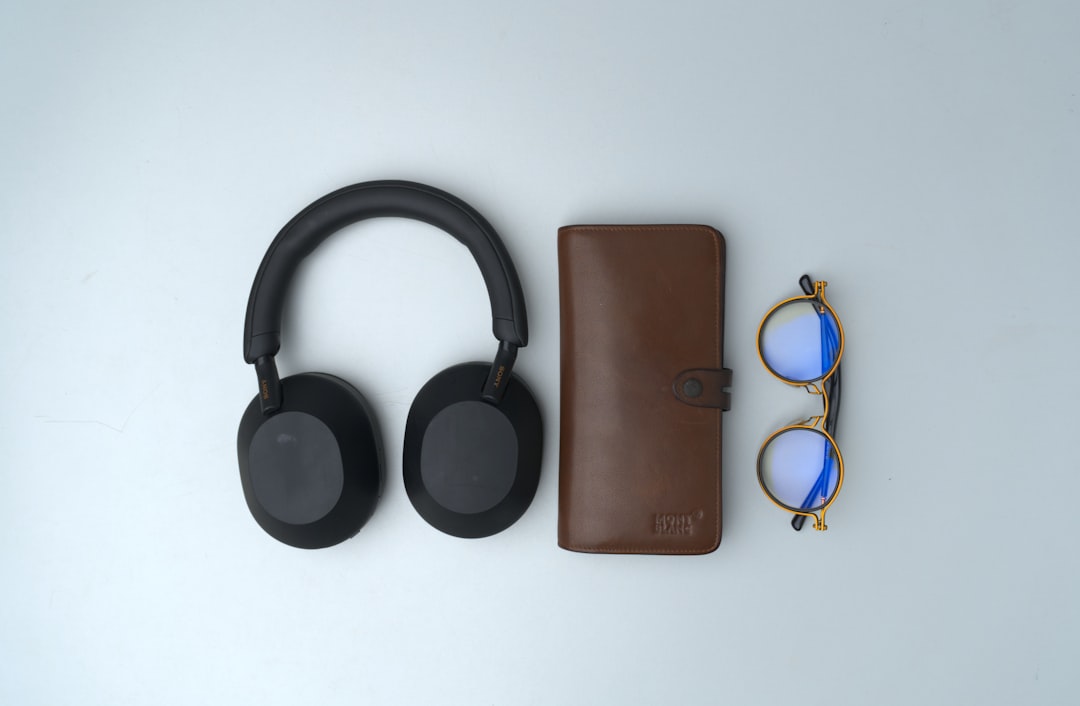
Noise-Cancelling Headphones or Comfortable Earbuds
Block engine roar and crowded terminals with noise-cancelling headphones, or pack compact earbuds that seal well. Good audio reduces travel fatigue and helps you rest or focus during transit, which improves performance on arrival.
Choose rechargeable headphones with a long battery life and carry a small cloth to keep ear pads clean. If you prefer earbuds, bring multiple sizes of tips for the best fit.
Expert Insight: If you plan to sleep on the flight, test noise cancellation before travel to ensure it does not create pressure discomfort for you.
Medication, Prescriptions, and Basic Health Items
Carry all prescription medications in their original labeled containers, plus a small supply of over-the-counter items you rely on such as pain relievers, antacids, or allergy meds. Place them in a clearly labeled pouch for quick access during security checks.
Include a copy of the prescription and, if needed, a doctor letter for controlled medications. This reduces the risk of confiscation or hassles crossing borders where rules vary.
Insider Tip: Pack one extra day of any critical meds in case of delays or lost luggage, stored separately from the originals.
Compact Toiletry Kit and Refresh Items
Freshening up can change how you feel after a long journey, so keep a TSA-compliant toiletry kit with essentials like a toothbrush, toothpaste, travel deodorant, facial wipes, and moisturizer. Choose spill-proof containers and resealable bags to avoid leaks inside your bag.
Wipes and a small moisturizer revive jet-lagged skin quickly, and a mini toothbrush combo can make a tight connection feel manageable. A light scent-free moisturizer helps combat dry cabin air without drawing attention.
Heads Up: Pack any liquids in a clear quart-sized bag for faster security screening and to prevent surprises at the checkpoint.
Change of Clothes or Key Apparel Layer
A compact change of underwear and a fresh shirt fit into most carry-ons and makes a big difference if checked luggage is delayed. Consider packing a lightweight foldable outfit or compressible packing cubes to save space.
If you expect unpredictable weather, toss in a thin packable jacket or a scarf that doubles as a blanket on chilly flights. This keeps you prepared for temperature changes in terminals and on arrival.
Worth Knowing: Choose wrinkle-resistant fabrics for the spare set so you look presentable without ironing after a long flight.
Healthy Snacks and an Empty Reusable Water Bottle
Airports and inflight offerings can be limited and pricey, so pack energy-dense snacks like nuts, protein bars, or dried fruit to maintain focus and energy. Avoid messy or highly aromatic foods to be considerate of fellow travelers.
Bring an empty reusable water bottle to fill after security to stay hydrated throughout the journey, which helps reduce fatigue and jet lag. Collapsible bottles save space and meet carry-on rules when empty.
Pro Tip: Choose snacks with protein and fiber to help you feel full longer and reduce the temptation to buy overpriced snacks at the gate.
Portable Laptop or Tablet with Protective Sleeve
If you work or prefer entertainment on a larger screen, a laptop or tablet in a protective sleeve should be easy to remove at security for screening. Keep chargers and a wireless mouse or compact keyboard together in a small accessory case to avoid hunting for parts.
Back up critical files to a cloud service and carry an offline copy of essential documents to prevent disruption if internet access is limited. A lightweight stand or privacy screen can improve ergonomics during longer waits.
Quick Tip: Keep devices charged before travel and be prepared to show them at security without removing them from sleeves if allowed by the airport.
Travel Pillow, Eye Mask, and Lightweight Blanket
Comfort items help you rest on a plane and arrive fresher, so a compact travel pillow, a soft eye mask, and a thin blanket or large scarf are worth the space. Choose items that compress well and are machine washable to keep them fresh trip after trip.
An eye mask that blocks light and a pillow with adjustable firmness provide better sleep than one-size-fits-all options. These small comforts can be the difference between a restless flight and arriving ready to go.
Expert Insight: Opt for a pillow that supports your chin and neck to minimize waking with stiff muscles on long flights.
Basic First-Aid Kit and Hand Sanitizer
A small first-aid kit with bandages, antiseptic wipes, blister pads, and pain relief covers most minor issues while traveling. Add a travel-sized hand sanitizer and a few disposable masks if you want extra hygiene options in crowded terminals.
Label the kit and store it where you can access it quickly, not buried at the bottom of the carry-on. A few adhesive blister pads and a blister prevention stick can keep you moving if a long walk through an unfamiliar airport is required.
Insider Tip: Include a few adhesive bandages sized for blisters and a mini tube of antibiotic ointment to handle minor wounds promptly.
Ready to Pack Smarter?
Use this checklist as a starting point and tailor it to your trip type, duration, and personal needs so you never struggle at a crucial travel moment. Which item do you always make sure is in your carry-on and why?